
Bansko is home to stone houses, churches from the Bulgarian National Revival period, and museums, and just above its rooftops lie the forested slopes and peaks of the Pirin Mountains.
Here you’ll discover which 10 attractions in Bansko and the surrounding area are worth your time: the Old Town with its National Revival-era fortress houses, the Holy Trinity Church, the bell tower, the house-museums of Nikola Vaptsarov and Neofit Rilski, the icon exhibition at the Rila Monastery, Vihren Peak in Pirin National Park, Baikusheva Mura, the Nameless Town in the Sveti Nikola area, and the “Wedding” rock formation.
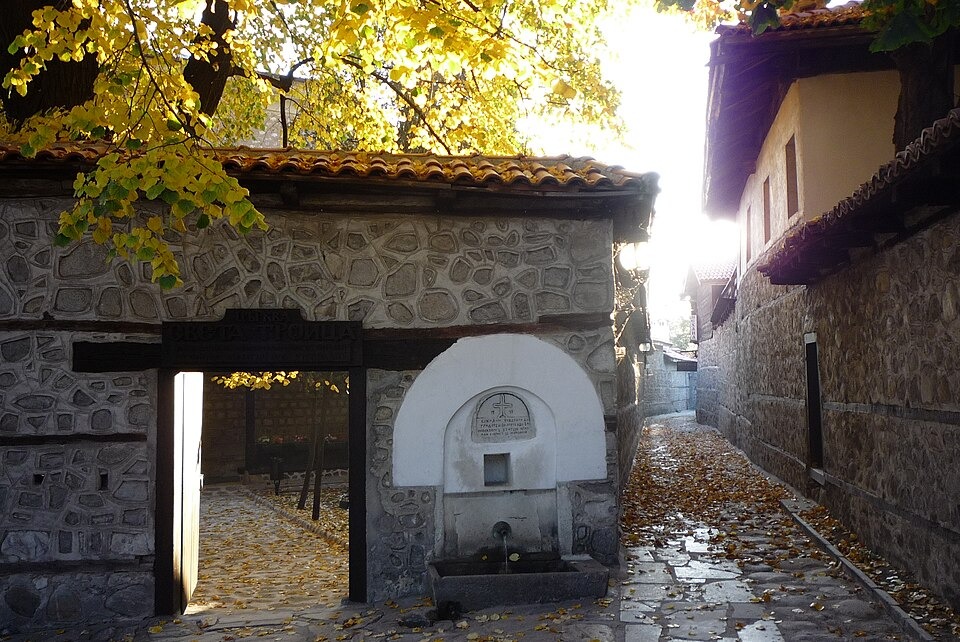
The Old Town and Architectural Reserve
The old part of town, known as the Architectural Reserve, is home to the highest concentration of historical landmarks in Bansko and allows you to explore most of them on foot in a single day.
The first written record of Bansko dates back to 1576, when the Ottoman livestock register mentioned the settlement as Christian. During the 18th and 19th centuries, local merchants exported cotton, tobacco, and other goods to Central Europe and amassed considerable wealth for their families. With these funds, they built the stone houses that still define the character of the old town today.
The Bansko house resembles a small fortress. The owners build thick stone walls, install heavy oak gates, and dig hiding places for people and goods. Many houses also have a small inner door leading to the neighboring yard, through which families could flee in the event of a bandit attack without having to go out into the open.
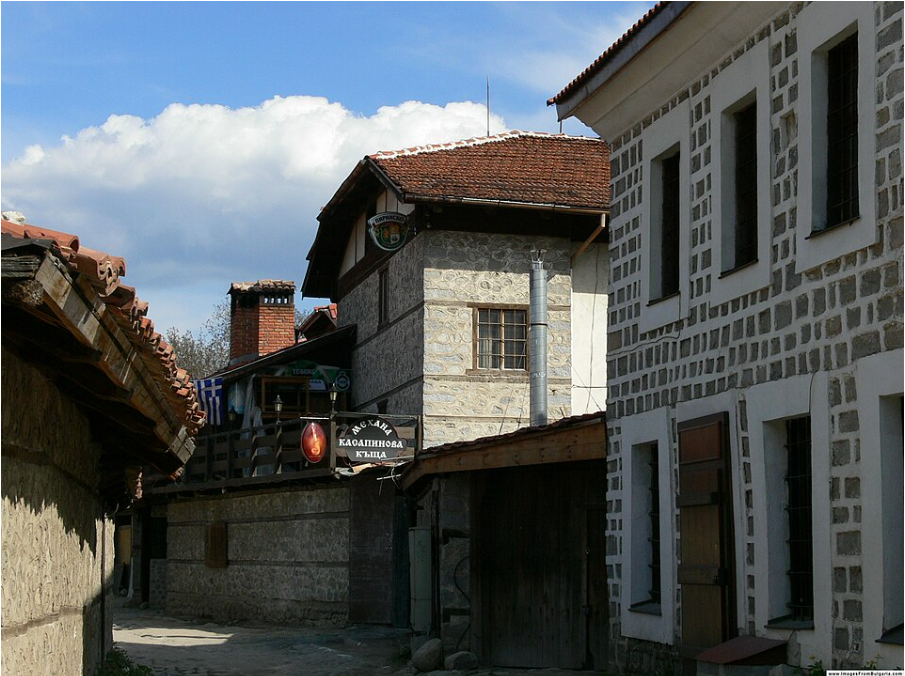
Start at Nikola Vaptsarov Square and continue along the cobblestone streets toward the Sirleshtov and Zehtindzhiev houses. Take note of the tall fences, small windows, and wood carvings on the gates. According to literary historian Prof. Ilia Konev , Bansko is the only town in Bulgaria that boasts of having produced great figures over three consecutive centuries: Paisii Hilendarski, Neofit Rilski, and Nikola Vaptsarov.
Churches and Religious Landmarks
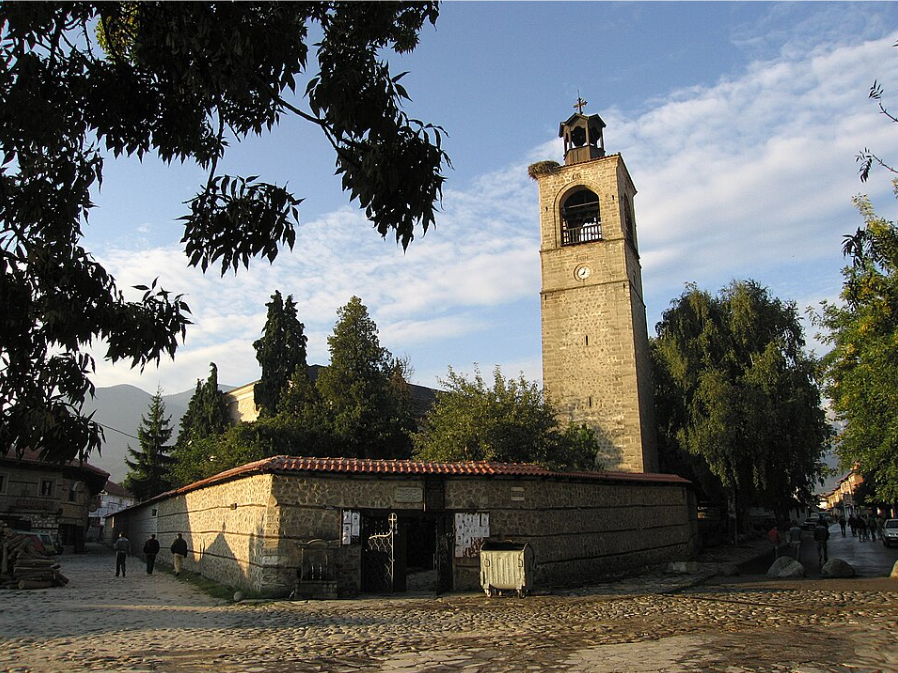
The spiritual center of Bansko is the church complex in the heart of the old town, which comprises a church, a bell tower, and a stone fence. The two sites listed below are located in the same courtyard, so you can easily visit them together.
The Holy Trinity Church
The people of Bansko built the Holy Trinity Church between 1833 and 1835 with their own funds and at the initiative of the merchant Lazar German, who donated his garden for the construction. At that time, the church was among the largest Orthodox churches in the Balkans, even though the Ottoman authorities strictly limited the height and size of Christian buildings in the empire.
Inside, you will see a wood-carved iconostasis by Master Velyan Ognev of the Debar School, who also painted the murals on the columns and the dome. Dimitar Molerov and Simeon Molerov from the Bansko School painted the large iconostasis icons and the crucifix. In recent years, artists have also been painting the north wall based on designs by artist Stefan Tapanov, with the team preserving the style of the old masters.
The Bell Tower of Bansko
The bell tower is located in the church courtyard and is fifteen years younger than the church itself. Usta Gligor Doyuv built it in 1850, and it stands 30 meters tall. Today, locals consider it a symbol of the city, and from its top, the city unfolds in all directions. Check on site for access to the top.
Museums and Cultural Institutions
Bansko’s network of museums tells the stories of people born in the town and showcases the art of local icon painters. The museums are open year-round for an admission fee and offer guided tours.
“Nikola Vaptsarov” Cultural Center
The central square is named after the poet Nikola Vaptsarov, who was born in Bansko on December 7, 1909. His birthplace is located here, and across from it stands the municipal building. Next to the museum stands the “Nikola Vaptsarov” Community Center, the town’s largest cultural hub, which hosts concerts, public readings, and exhibitions throughout the year.
In 1952, the “Nikola Vaptsarov” House Museum opened its doors, and the poet’s mother, Elena Vaptsarova, served as its first tour guide. The two-story exhibition features his baptismal certificate, personal notebooks, and the first edition of *Motor Songs*, the only poetry collection the poet published during his lifetime. Thus, the museum marked the beginning of organized museum work in the city.
The square comes alive every summer when the town hosts the Bansko Jazz Fest. The festival began in 1998 and, in early August, brings together musicians from various countries for open-air concerts. In 2024, 135 performers from 18 countries will take part. The event is organized by the Municipality of Bansko and the “Festivals in Bulgaria” Association.
The City’s Historical Museum
The Bansko Museum Complex maintains eight sites that showcase the town’s history and culture. Among them are the Radonova House, featuring an ethnographic exhibition and a permanent icon exhibition of the Bansko School of Painting in the old Rila Monastery. The icons are currently on tour in Austria and Poland, and in Kraków, the museum is publishing a catalog in Polish and English.
Another must-see is the “Neofit Rilski” House Museum, the birthplace of the founder of Bulgarian secular education. In the Velyan House, dating from the mid-18th century, you’ll see murals by Velyan Ognev, who arrived in Bansko in 1835. There, the museum also features a reconstruction of the mutual school based on the method that Neofit Rilski introduced in Bulgarian schools.
The complex also includes the monument to Paisii Hilendarski, which honors the author of *Istoriya Slavyanobulgarskaya*, who was born in Bansko. The House of Arts is home to the Museum of the Mountain and Its People. It features a model of the Pirin Mountains and uses sound, light, and multimedia to tell the story of the Holy Trinity Church and the house of Neofit Rilski.
Natural Attractions Around Bansko
The most notable attractions around Bansko are located within the Pirin Mountains and the neighboring mountain ranges. If you’re planning excursions around Bansko, set aside a full day for the longer hikes.
The Pirin National Park stretches out above the city; it was inscribed on the UNESCO World Natural Heritage List in 1983. The park also includes the nature reserves in Pirin, such as Bayuvi Dupki–Dzhindzhiritsa and Yulen, where nature remains virtually untouched by human activity. There you will find centuries-old coniferous forests, karst cirques, and high-mountain lakes.
The highest point of the mountain is Vihren Peak, at an elevation of 2,914 m, and the ascent begins at the Vihren Hut. Nearby rises Muratov Peak (2,669 m), which is ideal for a more leisurely day in the mountains with views of the main ridge. Hiking trails in Bansko require good physical fitness, appropriate footwear, and a mandatory check of the weather forecast before setting out.
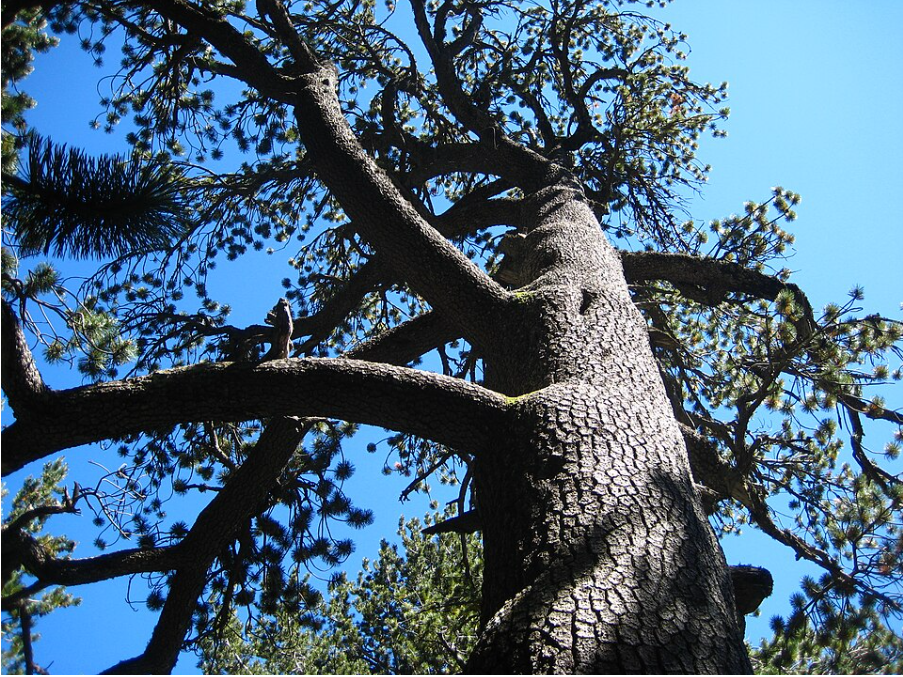
Near the “Banderitsa” mountain hut, along the road to the “Vihren” mountain hut, grows the Baikushev Fir. It is the oldest conifer in Bulgaria, over 1,300 years old, and is named after the forester Kostadin Baikushev. The park administration is building wooden stairs at a distance from the trunk to protect the tree’s roots and make it easier for visitors.
Between Bansko and Dobrinishte, in the “Sveti Nikola” area, lies the archaeological complex of the Bezimennia Grad fortress. Local residents discovered the ruins in 2003 while building a chapel. Archaeologists have surveyed an area of about 25–30 decares and have confirmed that the site was inhabited from the 2nd millennium B.C. through the 17th century. Just a few minutes’ walk from the ruins, the small St. Nicholas Waterfall rushes down.
On the way to the village of Osenovo in the Western Rhodopes, you’ll see the rock formation known as “The Wedding.” The limestone rocks resemble human figures, and legend tells of an evil mother-in-law who cursed the newlyweds and their guests on their wedding day. The site has been designated a protected natural landmark since 1976, and many tourist routes in Bansko include it as a stop along the way.
Activities for the Whole Family
Bansko offers activities that engage both children and adults throughout every season. Most of them do not require any special preparation.
Here are five ideas for an active day for the whole family:
- Bears – The Dancing Bears Park near Belitsa is home to bears rescued from owners who forced them to “dance” for money.
- Lift – The gondola lift takes you to Banderishka Polyana, where many hiking trails through the pine forests begin.
- Biking – Mountain biking on the forest trails of the Pirin Mountains is suitable for older children and experienced parents.
- Walking – The city park in Bansko offers a green space to relax between tours of the old town.
- Adventures – Therme Fun & Sport Park in the village of Banya, near Razlog, offers rope courses, a trampoline, and a mini zoo.
Combine an active outing with a visit to a museum to help the children pace themselves throughout the day. That way, both the little ones and the older kids will return to the hotel with new experiences and without feeling tired.
When looking for winter tourism in Bansko, you’ll find about 75 km of ski slopes and a modern gondola lift that takes you directly from the town to Banderishka Polyana. For summer tourism in Bansko, the mountains offer marked hiking trails, while the town adds museums, concerts, and evenings at the traditional taverns. That’s why so many people choose the mountain resort of Bansko for a vacation in every season.
Culinary Experiences in the City
Bansko cuisine features meat, beans, and spices, which local cooks prepare slowly in clay pots. The taverns in the old town offer you the chance to sample these dishes in an atmosphere reminiscent of the past.
One of the most famous local dishes is chomlek—meat with vegetables that cooks are simmered for hours in a sealed clay pot. Be sure to try Bansko kapama, as well as Bansko starets—a dried pork delicacy that local farmers stuff into a pig’s stomach and let cure for weeks. You’ll find these dishes on the menu at most traditional restaurants in the city center.
Most restaurants in Bansko are located around Nikola Vaptsarov Square and along the streets of the Old Town. Many of them also offer contemporary cuisine, pasta, pizza, and vegetarian dishes to their guests. During the winter season and the jazz festival , be sure to make a reservation in advance, as restaurants fill up quickly during dinner hours.
Accommodations by Type of Trip
The choice of hotel depends on whether you’re traveling for skiing, cultural tours, or a relaxing family vacation. Grand Hotel Banskocombines all these options in one resort.
Among all the hotels in Bansko, the Grand Hotel Bansko is the largest to offer an all-inclusive concept. It features 180 rooms and suites in various categories, some of which offer direct views of the Pirin Mountains. The all-inclusive program includes breakfast, lunch, afternoon snack, dinner, and a midnight brunch, and the menu is rich and varied.
After a day spent visiting museums or hitting the slopes, Pulse Therme Bansko awaits you— a spa areacovering over 6,000 square meters. There you’ll find indoor and outdoor pools with thermal water, saunas, a hammam, and a salt room. The Pulse fitness center and the padel court with LED lighting round out the options for an active stay at any time of day.
Families with children can enjoy the Happy Kids play area, which features entertainers and age-appropriate zones. Guests can participate in horseback riding, ATV tours, and hiking trips, and the nature trail and petting zoo are free of charge. For business travel, the hotel offers a conference center with a capacity of up to 600 people and state-of-the-art event technology.
Frequently Asked Questions
What is the best time of year to visit Bansko?
For skiing, choose the winter months; for hikes in the Pirin Mountains and museum visits, choose summer and early fall. If you want to enjoy jazz under the open sky, plan your trip for early August.
How many days do you need to see the top attractions?
One full day is enough for the Old Town, the church, and the museums. For the natural attractions around the town, plan on another two or three days.
How do I get to Bansko from Sofia without a car?
Regular bus routes connect Sofia with Bansko, and the Septemvri–Dobrinishte narrow-gauge railway also stops in the town. Check the current schedule before your trip.
Are guided walking tours available?
The Bansko Museum Complex offers guided tours at all of its sites. For tours of the old town, please inquire at the tourist information center.
